
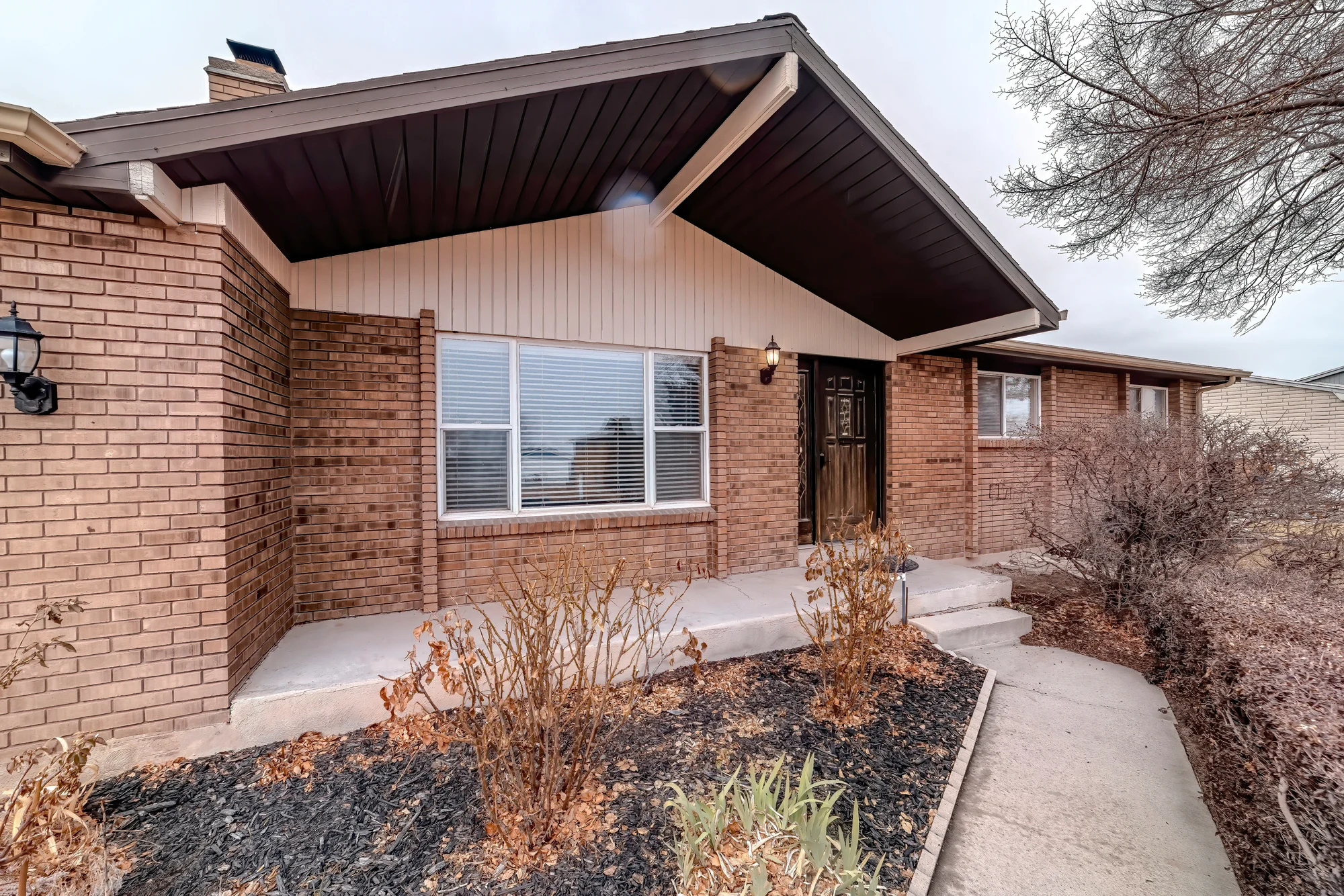
The terms tuckpointing near me in Oak Park and masonry restoration are often used together for good reason. While tuckpointing focuses on repairing mortar joints, masonry restoration is a broader process that ensures an entire brick structure is preserved. Together, they provide a comprehensive approach to saving historic buildings.
Restoration begins with inspection. Specialists look for signs of damage: crumbling mortar, cracked bricks, bulging walls, or water stains. Once identified, tuckpointing is usually the first step. Replacing mortar stabilizes the walls and prevents further deterioration.
Next comes the broader masonry restoration process. This may involve replacing damaged bricks, cleaning facades, or applying protective sealants. In historic preservation, every action must balance durability with authenticity. A building should remain structurally sound while keeping its original appearance.
One of the biggest challenges is matching new mortar to old. The wrong mixture can lead to future problems, as overly hard mortar can damage surrounding bricks. Experienced contractors know how to blend materials that work with the existing structure.
Another challenge is time. Restoration projects require patience. Rushing through tuckpointing or brick replacement can lead to sloppy results that compromise the building’s integrity. Skilled masons take the time to do the job right, respecting both craftsmanship and history.
When done correctly, tuckpointing and masonry restoration breathe new life into buildings that might otherwise fall into disrepair. These techniques don’t just preserve beauty; they secure safety, functionality, and cultural heritage.
Communities benefit too. Restored historic buildings attract visitors, businesses, and residents who value character over generic construction. By investing in tuckpointing and masonry restoration, property owners also invest in their community’s identity.