
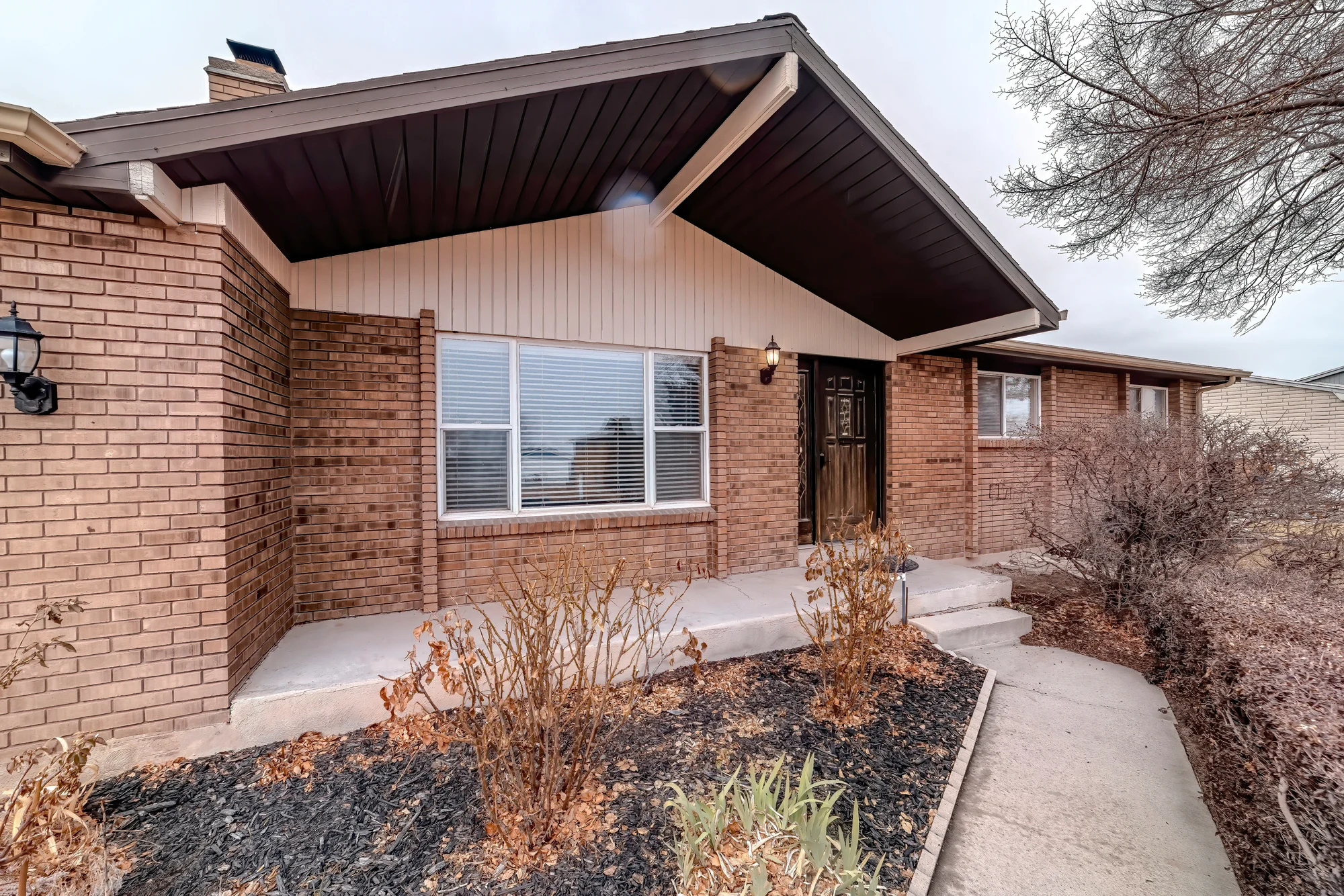
There’s something timeless about a masonry fireplace. It’s more than just a structure—it’s a focal point of comfort and warmth, a design element that gives any living space a sense of tradition. But how does one actually go from idea to crackling fire? Building a masonry fireplace is a detailed process that requires skill, planning, and experience. That’s why most homeowners turn to skilled masonry contractors rather than attempting it themselves. Here’s a step-by-step guide to what really goes into creating a custom fireplace.
Step 1: Planning and Design
Every great fireplace starts with a plan. The size, location, and style must fit seamlessly into the home’s architecture. Masonry contractors typically work with the homeowner or architect to draft blueprints. A key decision is whether the fireplace will be indoors or outdoors, as this affects both design and materials.
Step 2: Foundation Work
A masonry fireplace is heavy. Before bricks and mortar ever come into play, a solid concrete foundation must be poured. This prevents shifting or cracking later. Contractors often emphasize this step because a poorly built foundation is the quickest way to ruin the longevity of the structure.
Step 3: Building the Firebox
The firebox is where the magic happens. Built from firebricks designed to withstand high heat, it must be carefully angled to reflect heat into the room. Mortar joints are kept thin to reduce cracking. This stage requires precision—improper dimensions can cause smoke to enter the home instead of rising up the chimney.
Step 4: Chimney and Flue Construction
The chimney is the fireplace’s exhaust system. Contractors build the flue with heat-resistant liners, ensuring safe venting of smoke and gases. Masonry contractors also incorporate dampers and cleanout doors for long-term maintenance.
Step 5: Finishing Touches
Once the main structure is complete, the exterior is finished with stone, brick, or stucco, depending on the design. This is where homeowners can add a personal touch—classic red brick, rustic fieldstone, or sleek modern masonry.
Step 6: Long-Term Care
Even a well-built fireplace requires maintenance. Over time, mortar joints may deteriorate due to heat and weather exposure. That’s where tuckpointing comes in—a process where old mortar is replaced with fresh mortar to keep the structure strong and beautiful.
Building a masonry fireplace is far from a weekend project. It’s a detailed process that blends engineering and artistry. From laying the foundation to the finishing stonework, skilled masonry contractors make sure each step is done correctly. With the right care—including occasional tuckpointing near me Chicago—a fireplace can last for generations, becoming not just part of the home, but part of the family’s story.